
|
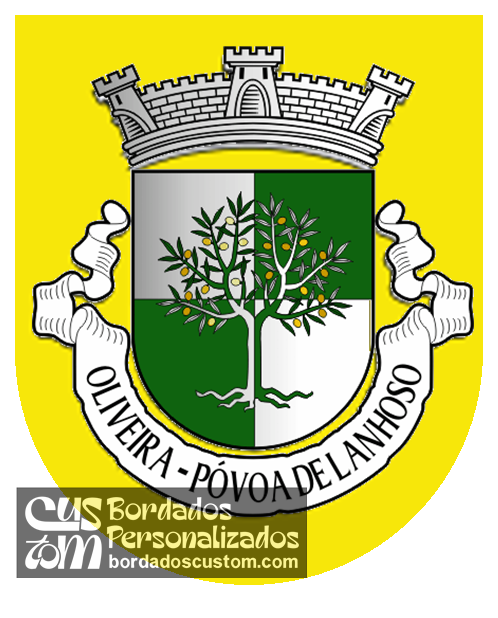
Embroidered Emblem of the Old Parish of Oliveira (Póvoa de Lanhoso, Braga)
Share this product
Description
Description
Imagem meramente ilustrativa. Devido ao elevado número de brasões, nem todos os bordados estão previamente disponíveis. Após a encomenda, o design será criado e o emblema será bordado na totalidade, garantindo um acabamento de elevada qualidade.
Emblema Bordado Antiga Freguesia de Oliveira (Póvoa de Lanhoso, Braga)
Dimensões: 6.64 x 8.00 cm
Emblema bordado inspirado no brasão oficial desta antiga freguesia portuguesa, produzido com materiais de qualidade e acabamento cuidado para maior resistência e durabilidade.
Especificações técnicas:
- Medidas: 6.64 cm (largura) x 8.00 cm (altura)
- Formato: vertical
- Acabamento com rebordo bordado
- Aplicação personalizável:
- Sem fixação (apenas patch)
- Cola termocolante
- Velcro macho
- Velcro macho e fêmea
Details
Details
Internal Reference:
HCBR20315
Description:
Oliveira was a former Portuguese parish in the municipality of Póvoa de Lanhoso, in the district of Braga.
The olive tree produces olives, which are used to make olive oil. It is short in stature and has a twisted trunk, being native to the eastern part of the Mediterranean Sea, as well as northern present-day Iran at the southern end of the Caspian Sea. The tree and its fruit give their name to the family of plants that also includes species such as lilac and jasmine. Its name comes from the Latin oliva, which in turn comes from the Greek λαία (eléa), ultimately from Mycenaean Greek e-ra-wa (elaiva) or oil. From its fruit, the olives, humans at the end of the Neolithic period learned to extract olive oil. This oil was used as an ointment, fuel, or in food, and for all these uses, it became a tree venerated by various peoples.
Its patron saint was Saint James.
The area indicated in the heraldic base is 4.58 km². The coat of arms and flag help to preserve historical memory and local identity. Sources: Wikipedia and Civic Heraldry.


