
Not all custom embroidery is the same: 5 details to check before ordering
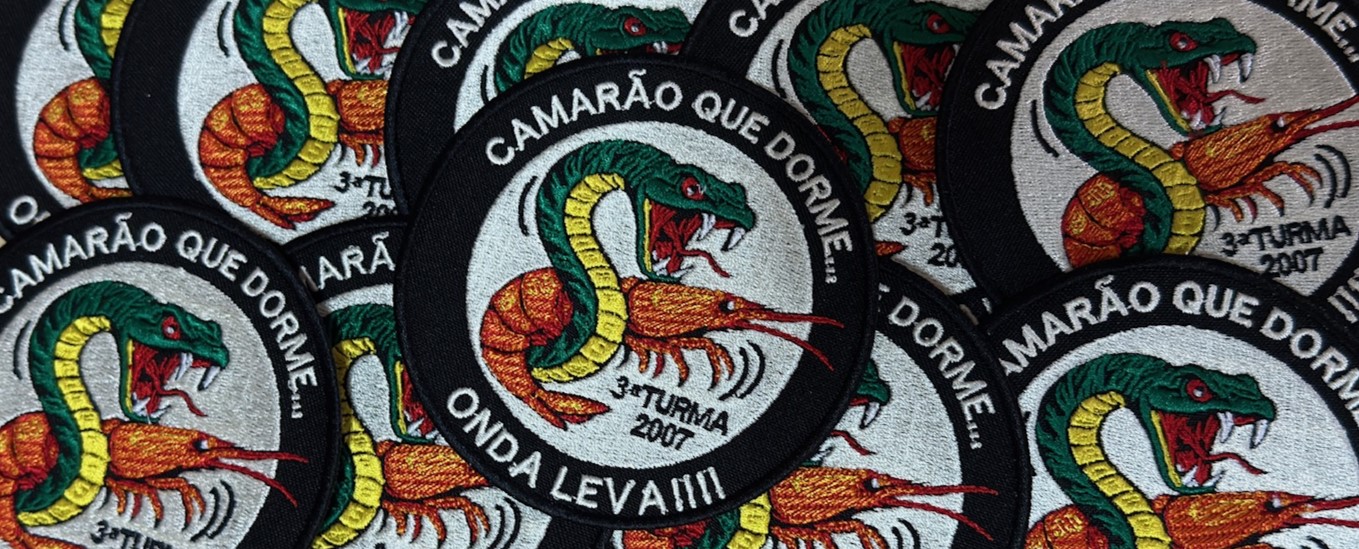
When ordering custom embroidery online, it is normal to compare prices, delivery times and photos of previous work. But there is one essential point that is often overlooked: not all custom embroidery is produced in the same way.
The final result of an embroidered piece depends on the technique used, the preparation of the design, the choice of threads, the quality of the materials, the finish and even the way the original file is interpreted for embroidery.
At Bordados Custom, every project is carefully reviewed before production. Our goal is not simply to turn an image into an embroidered product, but to create custom embroidery with detail, durability and visual consistency.
1. The digital mock-up is not the same as the final product
Before an embroidery project goes into production, the design always needs technical preparation. In some cases, especially with simple lettering, basic shapes or designs without much complexity, there is no major difference between the file and the final embroidered result.
However, when we are dealing with more technical designs, detailed logos, illustrations or elements with a lot of visual information, embroidery requires careful interpretation.
Embroidery is not printing. There is always a technical and artistic component in the process. The way a design is prepared for embroidery can vary from one company to another, because it also depends on the experience and sensitivity of the person working on the file.
At Bordados Custom, we do not use automatic conversion to prepare our embroidery files. Each design is worked on manually, with attention to detail, readability and the final result. When we consider it necessary, we contact the customer to validate the mock-up and make sure the result is aligned with their expectations.
This is why two different suppliers can receive the same design and deliver very different results.
Digital mock-up: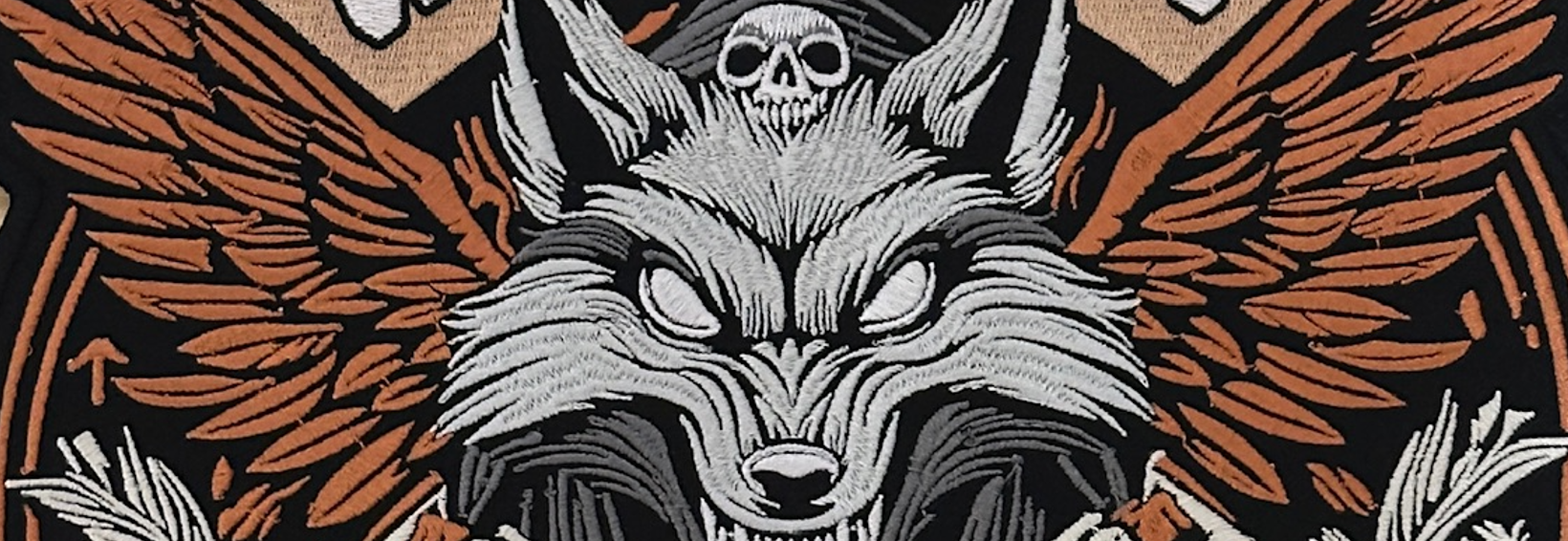
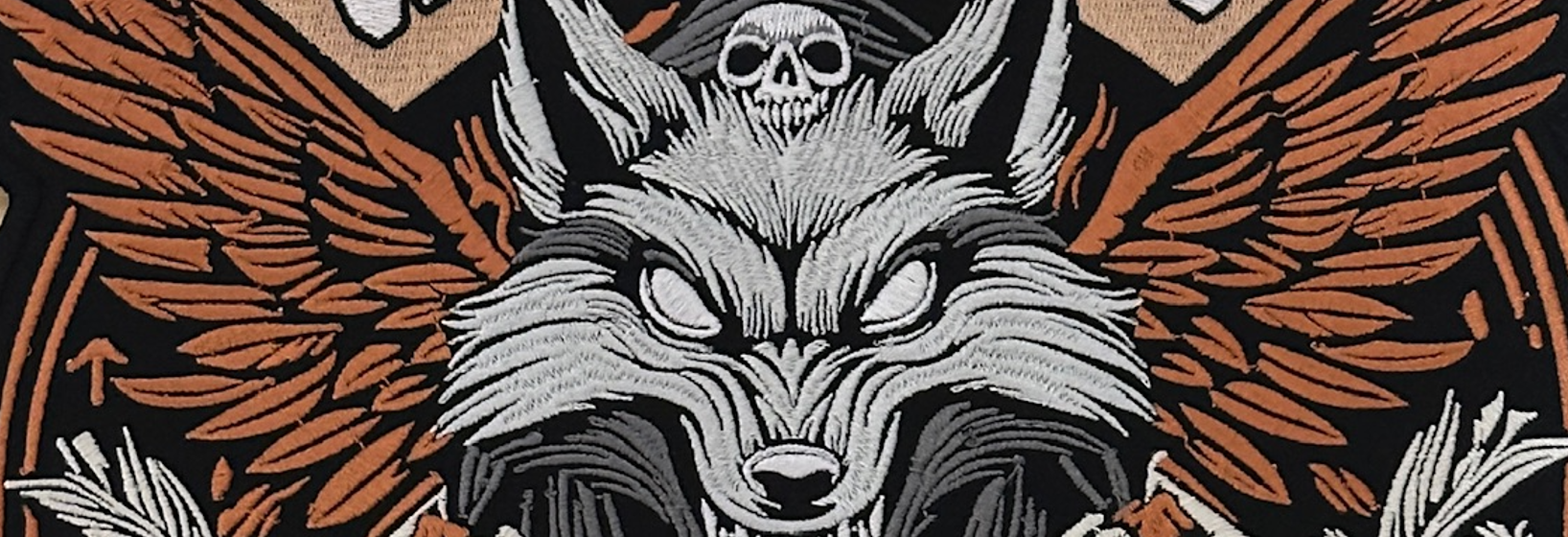
2. The technical quality of the embroidery makes a difference in the detail
The quality of custom embroidery does not depend only on the machine. It depends mainly on the technical preparation, the choice of threads, the stitch density, the scale of the design and the materials used.
Some designs work well in small sizes. Others need more space so that the details are not lost. That is why, when we receive a design, we always carry out a technical analysis. If we realise that a design will not work well, for example, at 5 cm, we advise the customer to choose 8 or 9 cm when that is the best solution.
Our goal is to recommend the most balanced option in terms of technique, appearance and durability.
At Bordados Custom, we use three different thread thicknesses. This allows us to work on details with greater precision, even in designs with only one colour. In some cases, we use threads in the same shade but with different thicknesses to create depth, definition and better readability of the elements.
Each thread thickness has a specific function in the embroidery. And when we use a finer thread, we also adjust the needle. It would not make sense to use a fine thread with a needle that is too thick, because that would compromise the final detail.
This technical care allows us to create truly custom embroidery with greater precision and a better finish.
3. Colours on screen do not always match the real thread
Colour is one of the most important aspects of custom embroidery, but it is also one of the points where perception can vary the most.
A colour seen on one screen may look different on another screen. Every phone, computer or tablet has its own brightness, contrast and colour calibration. For this reason, the colour the customer sees in the digital file may not exactly match the physical thread used in the embroidery.
To reduce this difference, it is ideal for the customer to provide an objective colour reference, such as a HEX or Pantone code. Based on that information, we can look for the closest match among the embroidery threads available.
It is important to understand that there are not infinite embroidery thread colours. We always work with real approximations within the available ranges. When we have a suitable thread in stock, we use the closest option. When there is no close enough match, we can order a specific thread from our supplier.
This process usually has no additional cost for the customer, but it may slightly delay production, especially when a specific colour needs to be ordered for that project.
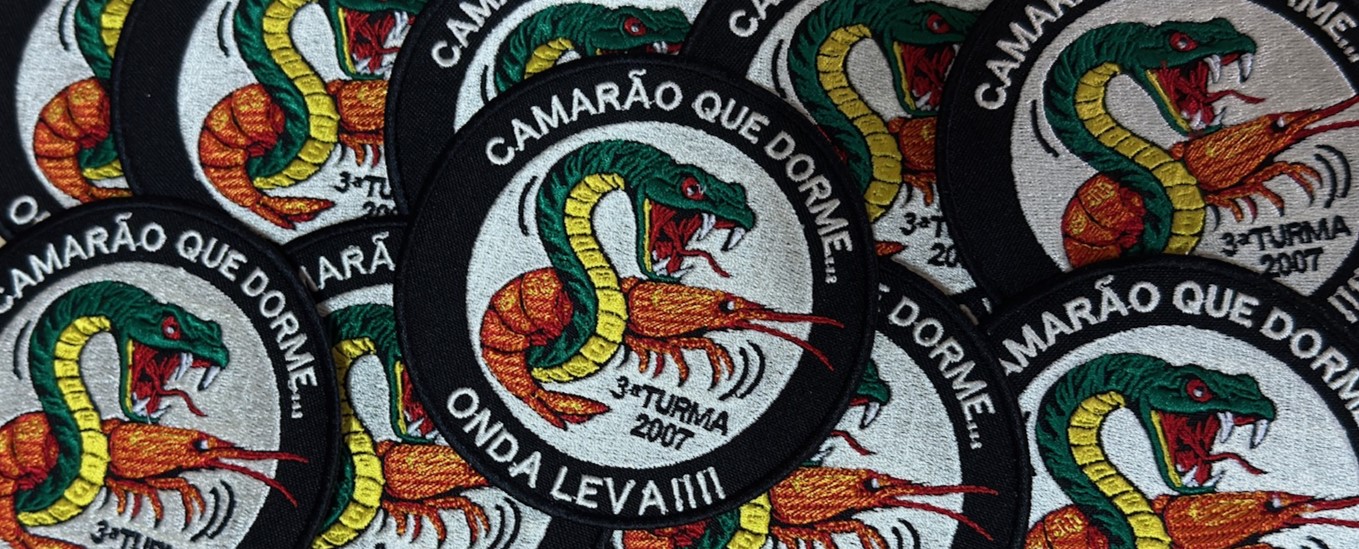
4. Not everything that looks embroidered is traditional embroidery
There are different techniques in the market for producing custom embroidered products. Some companies use expressions such as “high-definition embroidery” to describe products that combine embroidery with printing.
Usually, this technique consists of embroidering a white base and then applying a sublimation print over that base. The result may have embroidered thread in the background, but the main image is not built stitch by stitch with embroidery thread.
In practice, it is closer to a printed product on a textile base than to traditional embroidery.
This technique has advantages in specific cases. For example, when the customer wants to reproduce a photograph, many details or an image with many colours in a small size, sublimation can be a more viable and economical alternative.
At Bordados Custom, we also have this option available, but we make a clear distinction between the techniques. For us, traditional embroidery is when the design is built with thread, stitch by stitch. When printing or sublimation is used, the customer should know exactly what they are ordering.
Transparency is essential to avoid wrong expectations.
5. Finishes, application and materials influence the final result
Custom embroidery can have different types of application and finish, depending on the product chosen and its intended use.
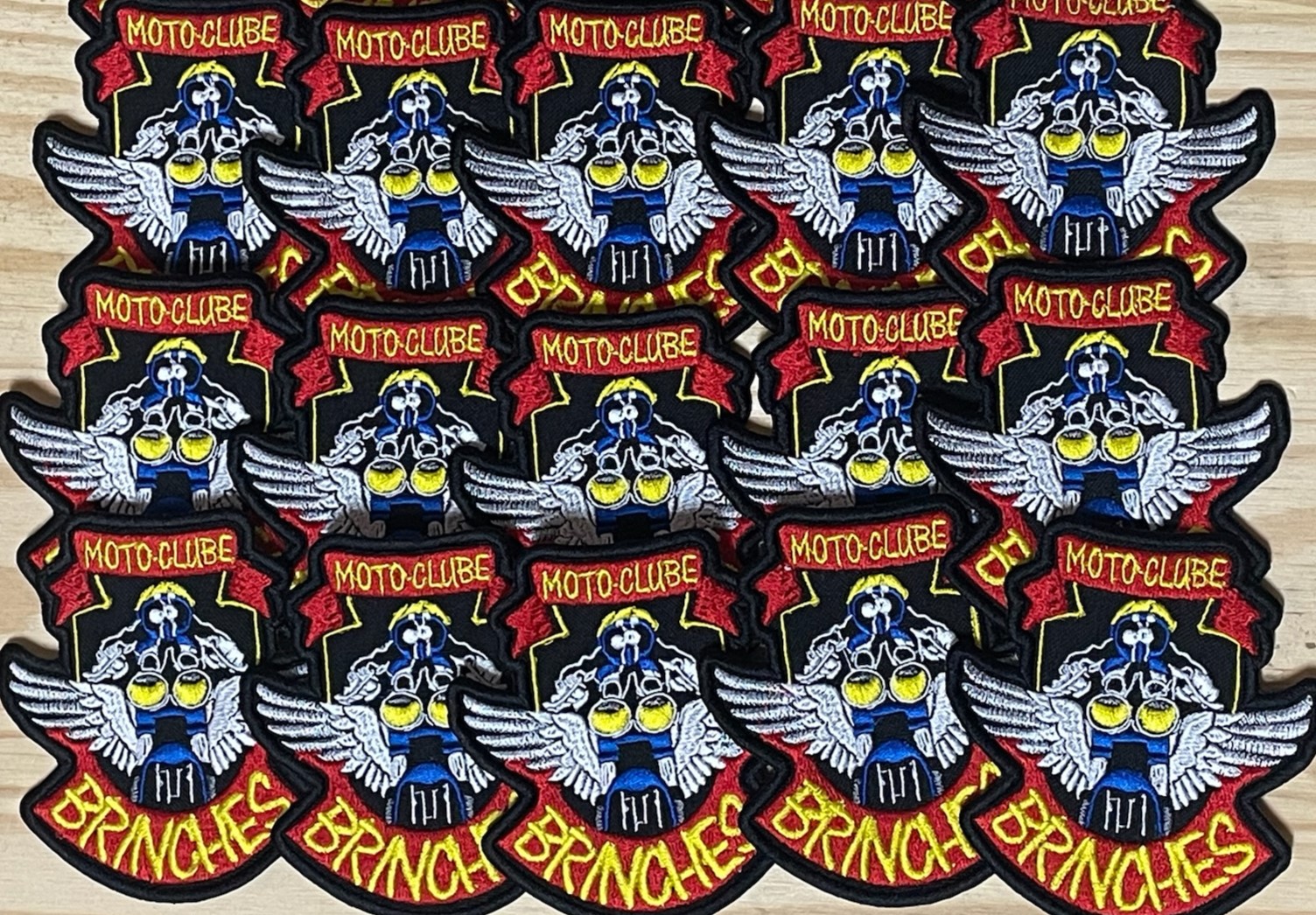
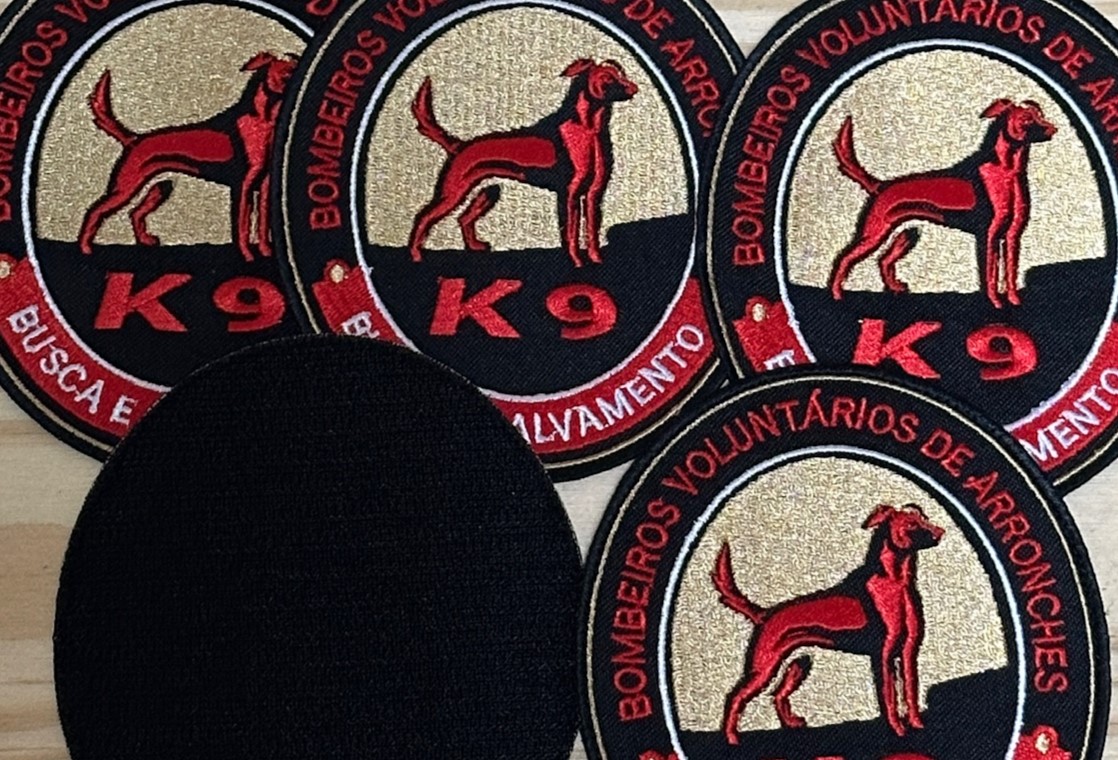
In the case of embroidered patches, by default, they are prepared with a backing ready to be sewn on. Iron-on backing and Velcro must be requested before production, because they require additional material, more preparation time and have an extra cost.
We also pay close attention to how embroidered products are finished and shipped. A common complaint with custom patches is that the product arrives rolled, folded or deformed, making application more difficult.
At Bordados Custom, we have our own process to ensure that embroidered patches are shipped flat. Even in larger sizes, we do our best to make sure they reach the customer without creases, folds or deformation, ready to be applied by sewing, iron-on backing or Velcro.
The final quality of embroidery is not only in the design. It is also in the material, the finish, the stability of the piece and how easy it is to apply.
Send us your design, logo or idea. The Bordados Custom team will review your file, recommend the best size, finish and embroidery technique, and help you choose the right solution for your project.
Request a quote on WhatsApp
